
The Complete Beginner’s Guide to the IPL
Format, teams, the auction and the calendar — one guide that makes sense of the tournament that reshaped world cricket.

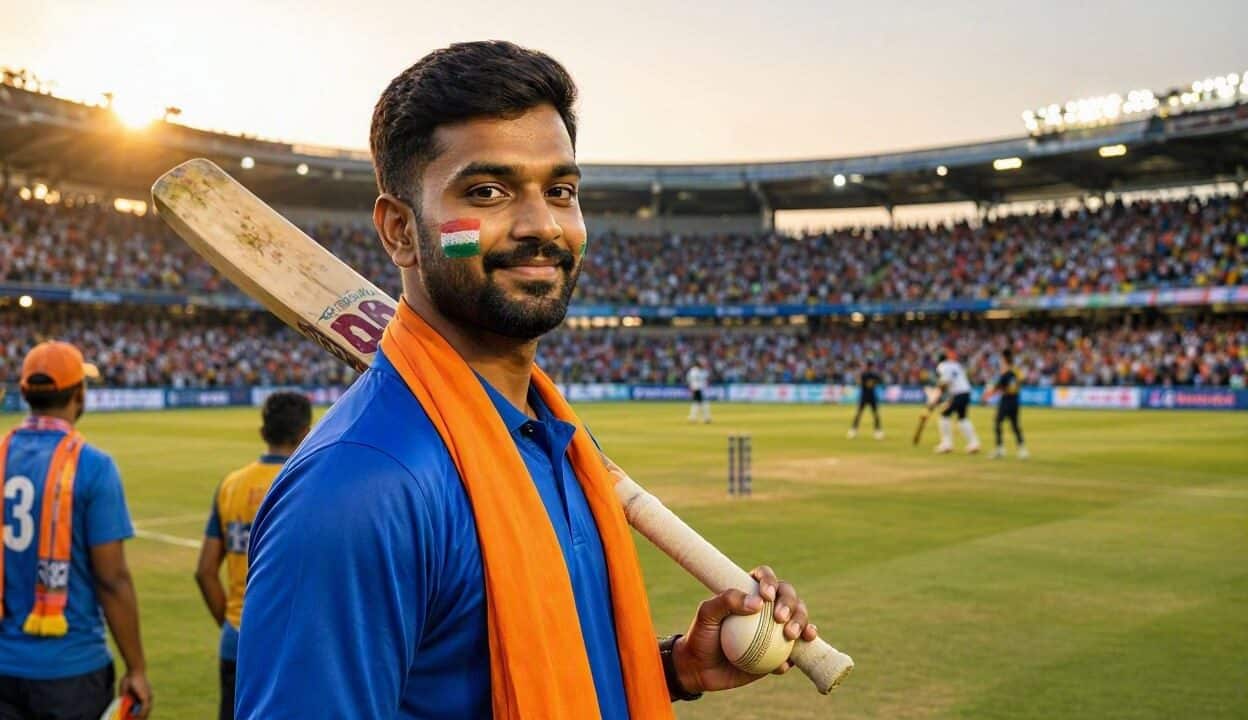
The Indian Premier League is a Twenty20 competition contested by city-based franchises. Each match lasts about three hours, each side faces twenty overs, and the whole thing is built for an evening audience. That compression is the design, not an accident.
The format
Teams play each other across a league phase, and the leading sides advance to a knockout stage that ends in a final. Because every match is short, form swings violently — a side can lose three in a row and still qualify, which keeps the league table alive far longer than it would be in a longer format.
The auction
Squads are assembled at a player auction. Franchises operate under a salary cap, retain a handful of players between seasons, and bid for the rest. It is the part of the calendar that non-cricket fans enjoy most: a live spreadsheet where reputations are priced in public.
Why it changed the game
The IPL professionalised a generation of domestic players who would previously have needed a national call-up to make a living from the sport. It also created a route for overseas players to spend a season alongside the best in the world.
Whether you think that has been good for the longer formats is one of cricket’s more enjoyable arguments. What isn’t in dispute is the scale: for six weeks, the league sets the rhythm of the Indian sporting year.
The auction is the only sporting event where a spreadsheet can break your heart.