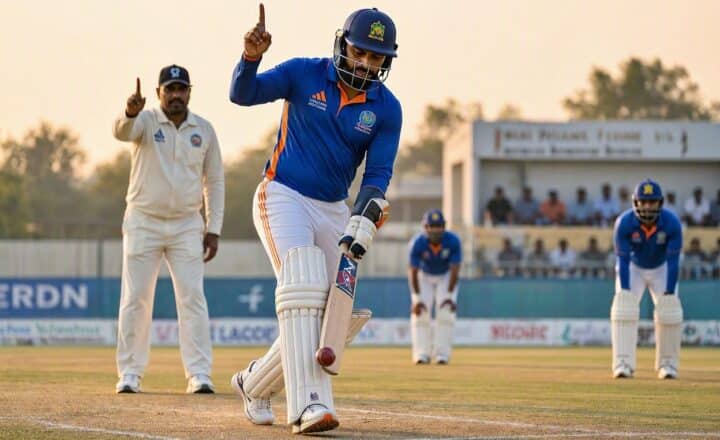
Test Cricket, Explained: The Format, the Laws and Why It’s the Ultimate Test
Five days, two innings, endless drama. Everything a newcomer needs to fall in love with the longest form of the game.

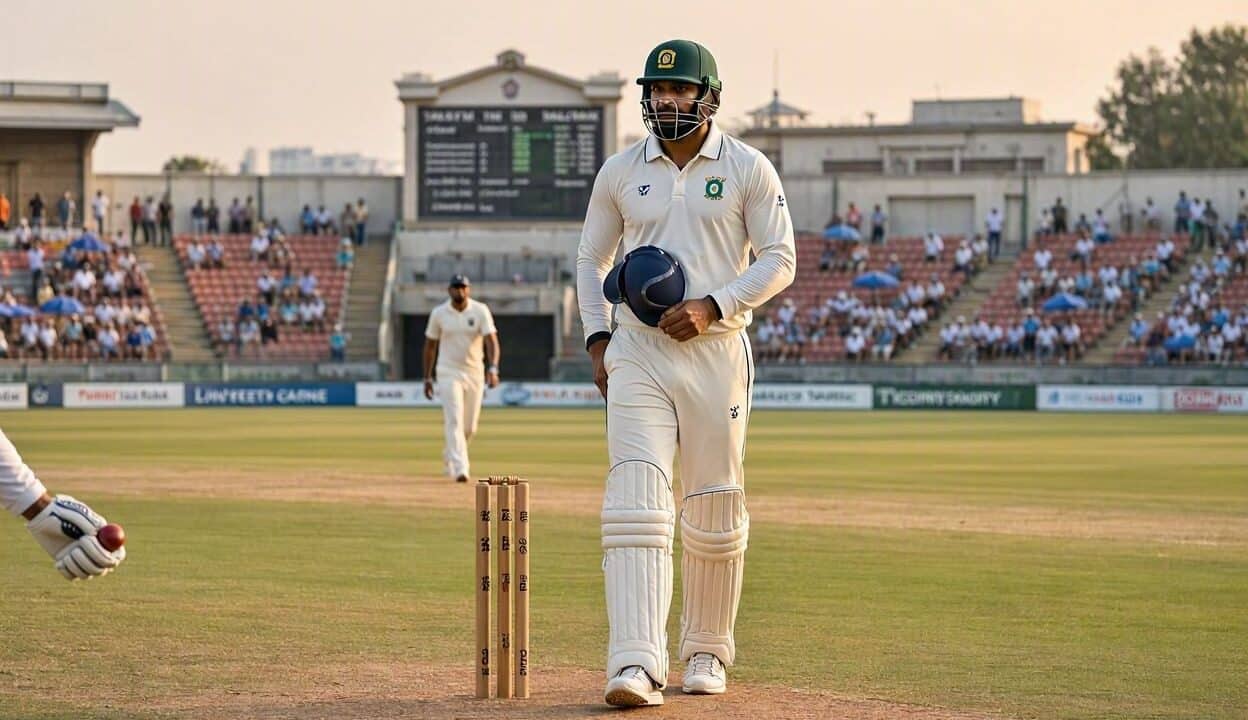
Ask any purist to name the truest examination of a cricketer, and the answer never changes: Test cricket. Played over five days in whites, with a red ball and no fireworks, it is the format that rewards patience, temperament and skill in equal measure. If you’re new to the game, this is where the real story begins.
A Test is contested between two teams over a maximum of five days. Each side bats twice — two innings apiece — and the aim is simple to state and fiendishly hard to do: score more runs across your two innings than the opposition manage across theirs.
How a day of play works
Each day is divided into three sessions of roughly two hours — before lunch, between lunch and tea, and after tea — with a minimum number of overs to be bowled. The team in the field is trying to take ten wickets to end an innings; the batting side is trying to survive and score. That tension, stretched over hours, is the point.
Why a draw isn’t a failure
Newcomers are often baffled that five days can end without a winner. But a draw earned by a side batting out the final session, one wicket from defeat, can be more gripping than a comfortable win. The clock is a third competitor.
Why it still matters
In an age of three-hour spectacles, the five-day game can feel like a relic. Ask the players, though, and they say the same thing: nothing tests you like a Test. Conditions change, the ball ages, the pressure compounds. A century built over a full day means something a short cameo never can.
Once you understand the rhythm — the ebb of a defensive session, the flow of a counter-attack, the drama of a final-day chase — you’ll see why so many fans consider it the finest sport there is.
Test cricket doesn't ask whether you're talented. It asks whether you can do it again tomorrow, and the day after that.